
The Ragdoll: temperament, health and family life
A simple guide to the Ragdoll’s temperament, daily needs, health points and useful precautions.
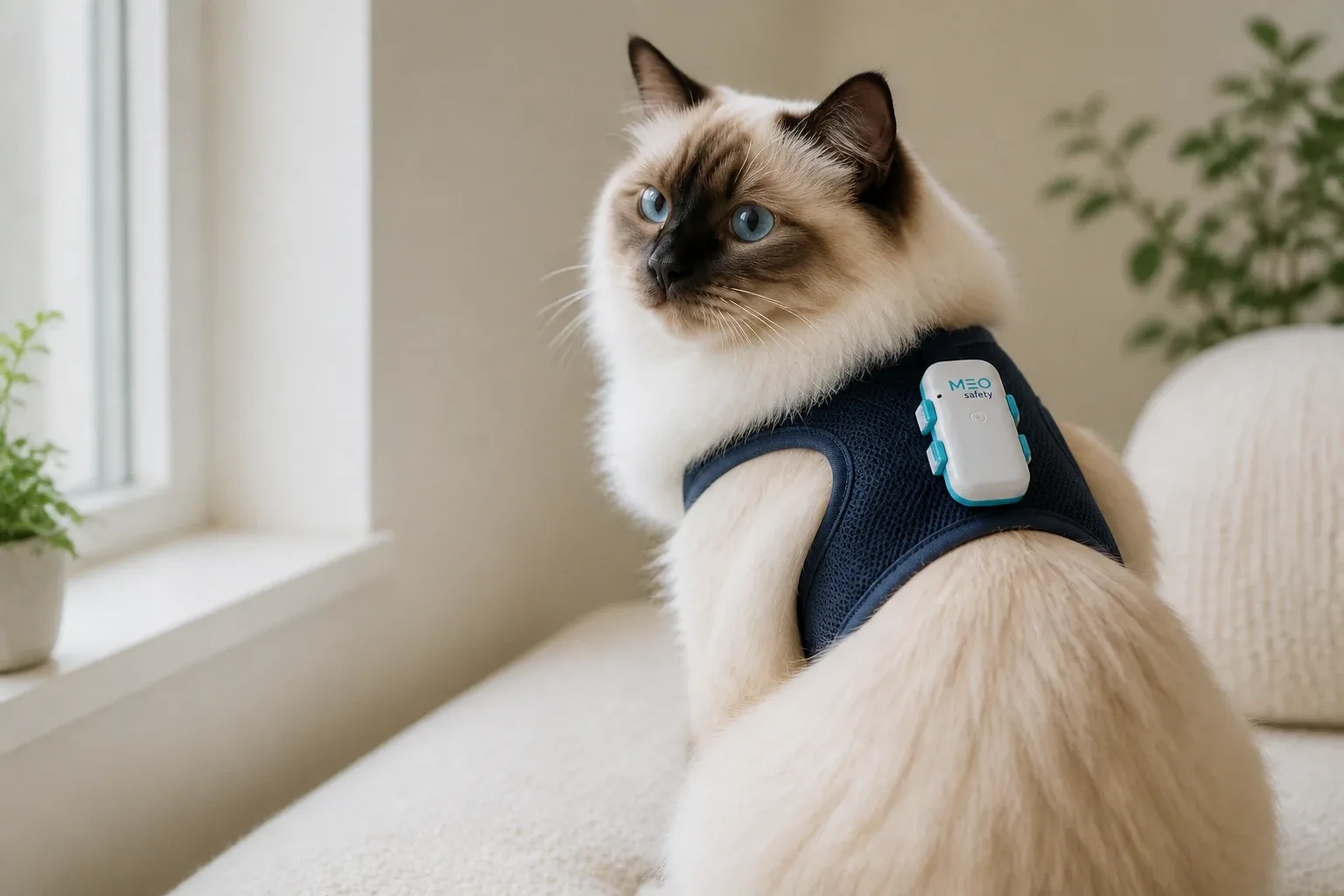
The Ragdoll is a large semi-longhaired cat, known for blue eyes and a generally calm temperament. Every cat still has individual preferences.
The Ragdoll at a glance
The breed developed in California in the 1960s. Ragdolls mature slowly and need play, high resting places, hiding spots and quiet time. Introductions to children or other animals should be gradual and respectful.
A simple home routine
Offer short daily play sessions, regular brushing, suitable portions and stable scratching and resting areas. Ask your veterinarian how to monitor healthy body condition.
The health point to know
A MYBPC3 gene variant is associated with a higher risk of hypertrophic cardiomyopathy in Ragdolls. A DNA test can detect this variant, but it does not diagnose heart disease and does not replace veterinary care. Difficulty breathing, sudden weakness, collapse or paralysis of the back legs requires urgent veterinary attention.
Safe outings and location
Use a properly fitted harness and introduce it gradually. MEO Tracker Pet V1 shows the latest reliable position received, signal time, battery, safe zones and history. It supports a search but does not replace identification, a secure environment or supervision.
FAQ
Does every Ragdoll like being carried?
No. Support the cat’s body and put it down as soon as it shows discomfort.
Should every Ragdoll be tested for cardiomyopathy?
Discuss it with your veterinarian. The genetic test covers one known breed variant and does not replace a clinical examination or an echocardiogram when indicated.
Collar or harness for a tracker?
For a supervised outing, a comfortable harness distributes the load and keeps the tracker stable on the back. Choose equipment for the individual cat.