Fixed camera or mobile camera robot: which should you choose to watch your home?
A fixed camera sees one corner of a room. A mobile robot goes to look. We compare both, honestly, to help you decide.
 MEO Safety8 September 2026 · 6 min read
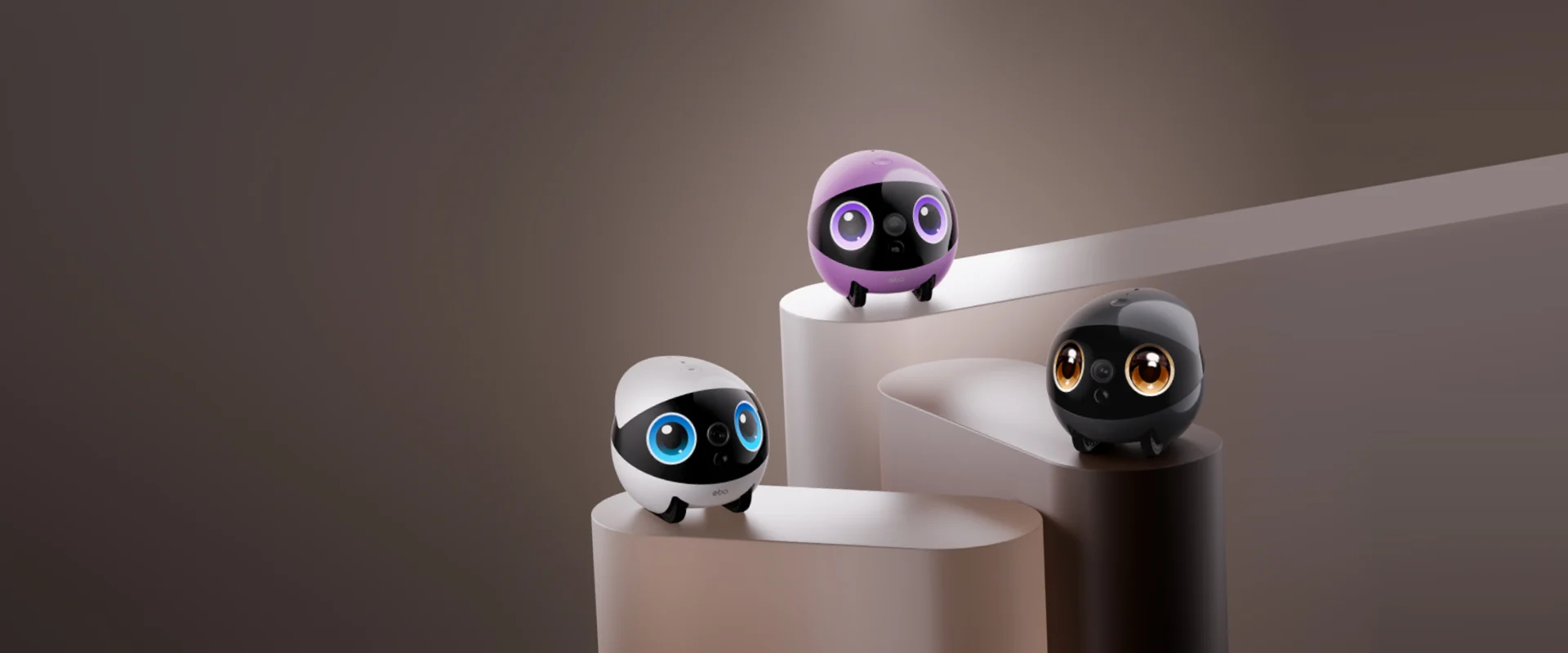
It's the first question most people ask when they want to keep an eye on their home: should you put a fixed camera in every room, or a single robot that moves around? Both work, but they don't solve the same problem. Here's how to decide.
A fixed camera's real weakness: the blind spot
A fixed camera films a cone. Whatever happens behind the sofa, in the hallway, or on the opposite side of the room simply doesn't exist for it. To cover a home you have to multiply them - three, four, five - then wire them, power them and juggle as many video feeds. The budget climbs fast, and there's always a forgotten corner.
The mobile robot: a camera that comes to look
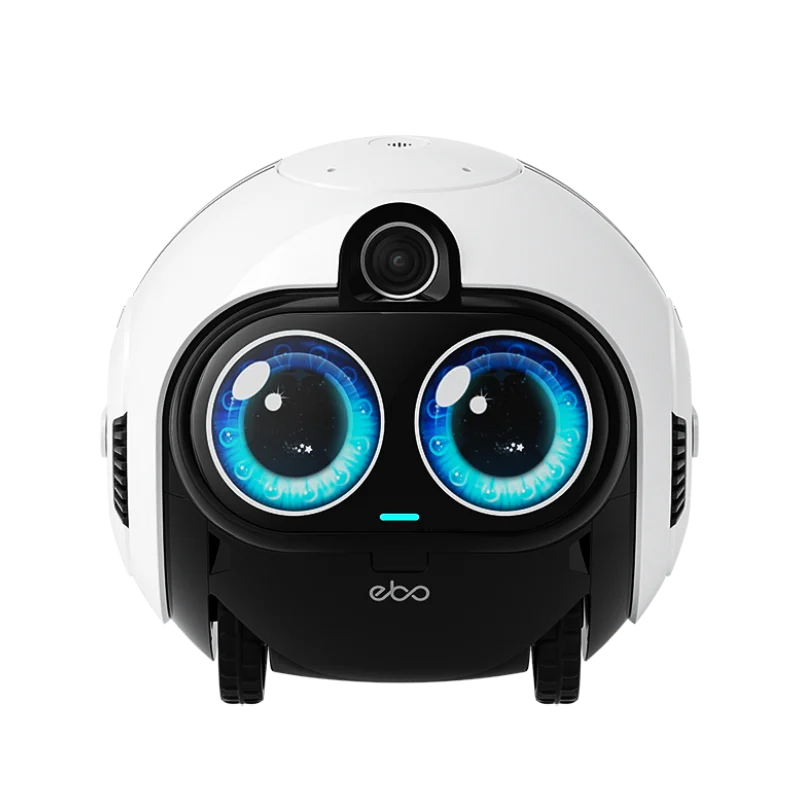
A robot like the EBO Air 2 Plus drives from room to room. You steer it from the app, it follows scheduled patrols, and it returns to charge on its own. Unsure about the front door? Send it to check. The dog is barking in the kitchen? Join it live. One camera, but everywhere you need it.
What the fixed camera still does better
To be fair: to watch one precise spot around the clock - a garage door, a crib, a till - a fixed camera is unbeatable. It doesn't move, never runs out of battery and records 24/7. The robot shines the moment you need to cover several spaces and interact.
Privacy: the mobile advantage
A robot puts itself away and switches off. When you're home, it returns to its base and its camera stops filming. A fixed wall camera stays permanently aimed at the same scene of your private life. For many households, being able to physically "turn off" monitoring changes everything.
Our advice
For a single critical point: a fixed camera. For a whole home, with pets or loved ones to talk to remotely: a mobile robot does the work of several cameras, at lower cost and with less intrusion. Explore the EBO range to compare models.